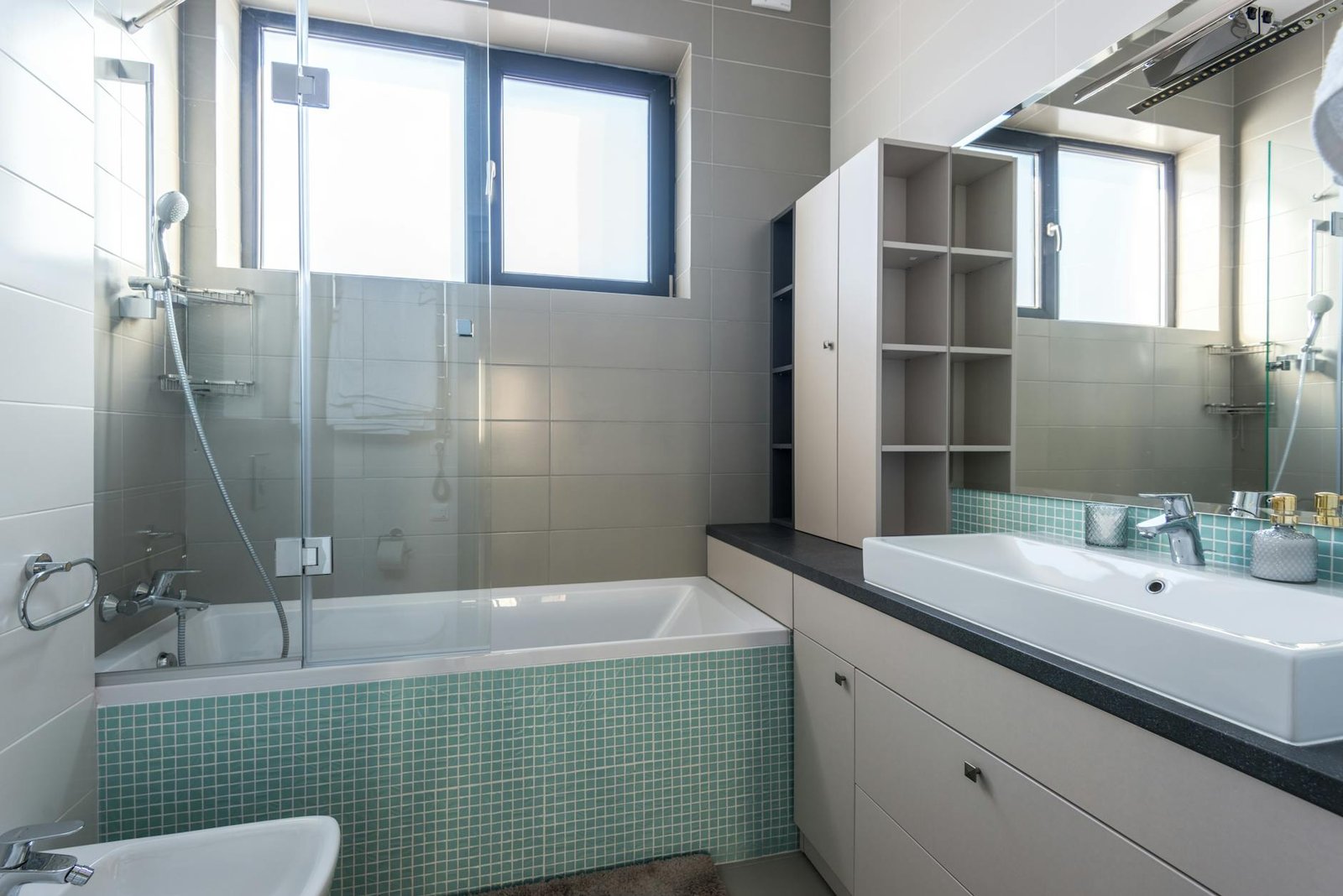
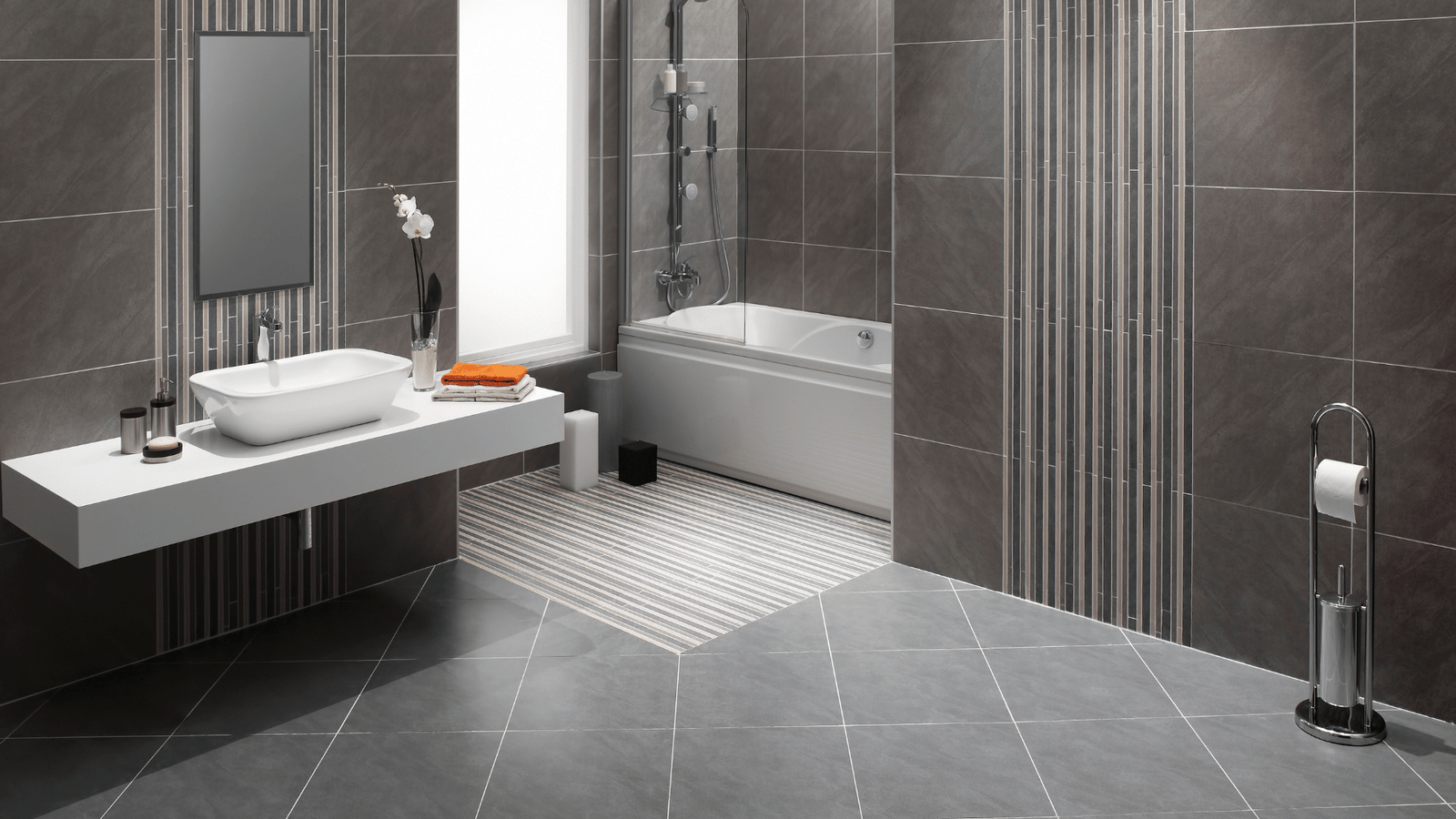
Homeowners in Glasgow know the quirks of restoring a bathroom in a narrow terraced property. When we tackle bathroom design challenges in narrow Glasgow terraced homes, we must navigate tight footprints, legacy pipework and heritage restrictions. With thoughtful planning and the right expertise, we can turn a compact space into a bright, functional sanctuary.
In this guide, we share our proven strategies for every stage of a terrace bathroom renovation. We’ll assess space constraints, plan an efficient layout, select space-saving fixtures, handle plumbing, boost light and ventilation, choose finishes that suit period walls, navigate permissions, collaborate with local specialists and budget wisely. Let’s explore how Dream Bathrooms Glasgow makes your narrow terraced renovation feel effortless.
Assess space constraints
Before sketching a layout, we measure every dimension and note existing features. In narrow terraced homes, bathrooms often sit above a kitchen or alongside a chimney breast, which affects ceiling height, pipe runs and structural walls. We start by:
- Recording the internal width and depth, plus any alcoves or bulges
- Checking floor-to-ceiling height, especially where joists or ducts run
- Identifying load-bearing partitions and party walls that we cannot move
- Locating the foul-water stack, soil vent pipe and incoming water mains
- Noting window size, position and glass type for light and ventilation
With these site dimensions, we create a simple 2D plan or digital model. This ensures that fixtures and storage will fit, and highlights any awkward corners. If you own a period terrace, you might also find our guide on designing a bathroom for victorian homes in glasgow helpful for adapting to heritage details.
Plan an efficient layout
A tight footprint demands a layout that minimises wasted space. We approach each plan with these principles:
Wet room versus shower enclosure
Converting the bathroom into a wet room can free up floor area by removing a bulky shower tray or bath. We ensure proper falls in the screed and waterproof membrane, and position the drain into the existing stack. If you prefer an enclosure, we recommend quadrant or curved-screen designs that fit neatly into a corner.
Optimise door placement
Traditional swing doors can eat into precious square centimetres. Pocket doors or inward-opening doors mounted on a rebated threshold reclaim floor area. We align the door to a wall where it will not collide with fixtures or towel rails. Clear traffic flow is crucial when the room is barely wider than a hand’s breadth on each side of the basin.
Define zones
Even in a narrow room, we delineate wet and dry zones. Placing the basin nearest the door, the WC in the middle and the shower or bath at the far end reduces splashing on storage areas. Beneath the basin, we plan shallow drawers for toiletries to keep surfaces clear.
Choose compact fixtures
Space-saving sanitaryware and bespoke furniture help us maximise every centimetre:
- Corner basins and asymmetrical models give more elbow room in tight corners
- Wall-hung toilets create visual lightness and ease floor cleaning
- Slimline vanities, typically 300–400 mm deep, provide drawer storage without bulk
- Mirrored cabinets or recessed niches combine storage with reflection, opening up sightlines
- Vertical heated towel rails fit neatly beside the door or over a radiator window
When a full-length bath won’t fit, we consider a shortened or offset bath, or a utility tray with integrated seat. Our suppliers offer compact ranges in slim proportions, so we can deliver a luxury look without a standard-size footprint.
Address plumbing challenges
Legacy plumbing in terraced homes often follows original stack positions, so we work around existing soil vents and waste runs:
- Retaining the soil stack location avoids time-consuming re-routing and planning delays
- For new fixtures distant from the stack, we install a macerator pump to expel waste up to first-floor outlets
- Chasing walls for pipework should be done selectively, to protect masonry and minimise dust
- Where floor levels vary, we check for sufficient depth to run new pipework under a floating screed
- Combining cold and hot water feeds in a communal manifold can simplify isolation and future maintenance
By mapping each pipe before demolition, we prevent surprises on install day. Good coordination between builder, plumber and electrician keeps our programme on track.
Enhance light and ventilation
A narrow room can feel dim if we rely solely on a small sash or casement window. We tackle this by layering natural and artificial light:
- Swap heavy curtains for frosted or textured glass to admit maximum daylight while ensuring privacy
- Position a wall-mounted light above the basin, avoiding glare on the mirror
- Add recessed ceiling down-lights with waterproof trims, spread evenly for balanced illumination
- Install an LED-backlit mirror or under-cabinet strip lighting to lift dark corners
- Fit a high-capacity extractor fan controlled by a humidistat, to expel moisture without manual switches
In many terraces, the original window opening may be partly obscured by a chimney breast. We discuss with building control whether enlarging or lowering the sill is feasible, always maintaining the external appearance.
Pick suitable finishes
Choosing the right materials keeps the bathroom looking spacious and complements period walls:
- Large format tiles laid horizontally can visually widen the room, with fewer grout lines
- Moisture-resistant paint on ceilings and upper walls avoids tiles reaching the soffit
- Gloss or semi-polished ceramics reflect light, making surfaces feel larger
- Non-slip, lightly textured floor tiles in mid-tone colours connect the palette without darkening the room
- Solid surface or Quartz window cills give a hardwearing shelf under the window
For traditional sandstone terraces, we recommend natural hues that echo the exterior stone. Read more on bathroom renovations in traditional sandstone homes for finish combinations that respect period character.
Navigate permissions and regulations
Even small bathroom refurbishments in terraces often need approval:
- A building warrant is required for alterations to drainage and structural elements
- If the terrace is listed or in a conservation area, planning permission may control window replacements or vent locations
- Complying with Part G of the Building Regulations ensures safe water supply and draining
- Under the Party Wall Act, we must notify neighbours and agree on works affecting shared walls
- Electrical work in a bathroom demands a qualified NICEIC electrician and must meet Part P standards
By handling applications on your behalf, Dream Bathrooms Glasgow avoids delays and ensures the installation meets all legal requirements. If your terrace is a protected building, see our guide on renovating bathrooms in listed properties in glasgow.
Collaborate with local specialists
Working with a Glasgow-based team gives us distinct advantages:
- We source British-manufactured fixtures that suit period properties, reducing lead times
- Our vetted tradespeople understand terraced foundations and traditional building methods
- On-site meetings help us adjust plans in real time, avoiding costly change orders
- We share digital mood boards, material samples and 3D visuals so you can see choices before install
- Afterhand, our service team responds quickly to any snags, backed by local warranties
If you’re tackling a Victorian terrace, our dedicated guide to designing a bathroom for victorian homes in glasgow walks you through style nuances and period-correct fittings.
Budget your renovation
A clear budget framework keeps surprises to a minimum. We typically allocate costs across:
- Sanitaryware and fittings, from standard to premium collections
- Labour for plumbers, tilers, carpenters and electricians
- Specialist work, such as floor preparation for wet rooms or chased-in pipework
- Permits, inspections and any agent or party wall fees
- A contingency of 10–15 percent for unforeseen repairs or client-led changes
To get an accurate quote, we carry out a free site survey, discuss preferred brands and finalise a scope of work. With fixed-price contracts, you know where every pound is going before we start.
Plan your next steps
- Book your site survey with Dream Bathrooms Glasgow
- Gather inspiration and confirm must-have fixtures
- Review our detailed proposal, timeline and payment schedule
- Approve plans and secure any necessary permits
- Sit back as we carry out demolition, installation and finishing
- Enjoy your new bathroom, built to last in a narrow terraced setting
Ready to conquer bathroom design challenges in narrow Glasgow terraced homes? Contact us today for a free consultation and let’s transform your compact space into your own dream bathroom.
Want expert help with your bathroom project?
???? Discover why homeowners choose our bathroom installation team in Glasgow.